The Evening Bowl: Triphala, British Digestion and a Slower Kind of Regularity

Photo: triphala powder in wooden bowl with warm water glass and dried fruits, evening light, ayurvedic still life, via img.freepik.com
Few British habits are as firmly fixed as the afternoon cup of tea — and, in much of the north, the evening meal that shares its name. It is perhaps unsurprising that readers arrive at triphala, the classical Ayurvedic fruit blend, hoping to fold it into that same rhythm: a spoonful after tea, in the belief that digestion will settle quietly overnight.
The intention is sound. The timing, the dose and the expectations all deserve a second look.
A Three-Fruit Formula with a Long History
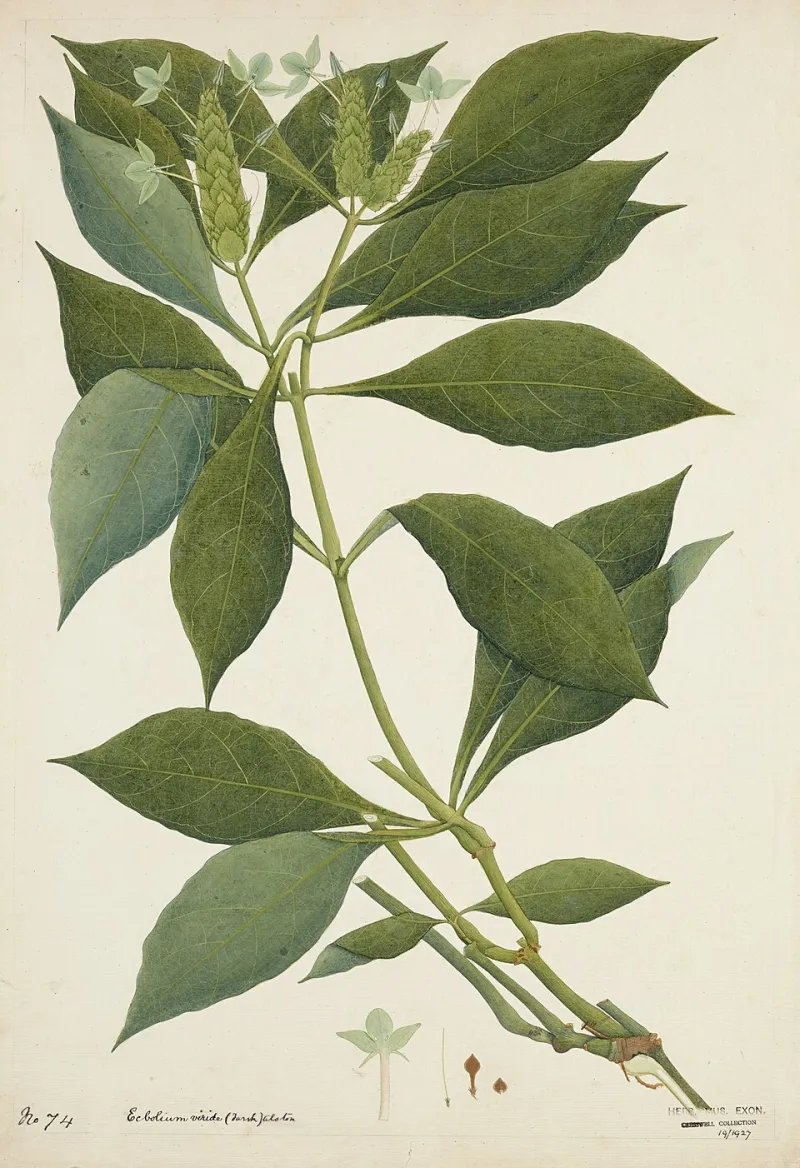
Triphala means, simply, three fruits. The classical formula combines the dried fruits of amla (Emblica officinalis), haritaki (Terminalia chebula) and bibhitaki (Terminalia bellirica), usually in equal parts. Ayurvedic texts describe it as a rasayana — a rejuvenating preparation — and, more prosaically, as a gentle bowel regulator: something held to support elimination without the griping that stronger purgatives were said to provoke.
The traditional reasoning is one of mildness and repetition. A small, nightly influence was considered preferable to an occasional dramatic intervention, and the formula was typically taken with warm water, sometimes with ghee or honey, at the close of the day. Whatever one makes of the underlying theory, the practical shape of the ritual — modest, consistent, unhurried — is one that most modern readers can work with.
What the Research Does and Does Not Show
The evidence base is real but modest. Small randomised trials have examined triphala in functional constipation, in abdominal bloating and, separately, in weight management and oral health. Several report improvements in stool frequency and consistency relative to placebo, and a few suggest reductions in bloating scores. The recurring limitations are familiar to anyone who reads supplement research closely: small samples, short durations, heterogeneous extracts, and formulations that vary substantially between trials. There is no large UK trial, and nothing that would justify treating triphala as a treatment for a diagnosed bowel condition.
What the evidence does not support is equally worth stating plainly. Triphala is not a stimulant laxative and should not be expected to act overnight. Nor has it been shown to detoxify the colon, a claim that belongs to marketing rather than physiology. Readers who arrive expecting a dramatic result within forty-eight hours will be disappointed; those who give a well-characterised product two to three weeks of consistent use are taking a more reasonable view of what a gentle botanical can offer.
Triphala, Fibre or Probiotic: Making a Sensible Choice
The three approaches are often framed as rivals. They are better understood as answering slightly different questions.
Fibre remains the best-evidenced first step for hard, infrequent stools. Ispaghula husk — familiar to most UK pharmacists under brand names such as Fybogel — has a solid evidence base and is available without prescription. It requires adequate fluid alongside it, and it works on stool bulk rather than on bloating. Triphala contains some fibre, but at typical doses of one to three grams the contribution is small compared with a dedicated fibre supplement.
Probiotics are strain-specific in their effects. The strongest evidence concerns particular strains in antibiotic-associated diarrhoea and in some presentations of irritable bowel syndrome. A probiotic is therefore not interchangeable with any other probiotic, and triphala is not a substitute for either.
A practical sequence, then: if stools are hard and infrequent, address fibre and fluid first. If the complaint is post-meal bloating and an erratic pattern, a gentle evening botanical alongside a slower eating rhythm is a defensible choice. If there is pain, alternating bowel habit, mucus or blood, none of these products is the right answer — that is a conversation with a GP.
The Tea Question, and a Workable Dose
There is a practical reason to space triphala from a strong cup of tea. Black tea is rich in tannins, which bind to a range of plant constituents and can reduce their absorption; the vitamin C naturally present in amla is also easily degraded by heat. Leaving an hour between a strong brew and the dose is a simple adjustment that costs nothing.
A reasonable approach for most adults is to begin at 500 mg to 1 g in the evening with a glass of warm water, increasing gradually to 2 to 3 g if well tolerated. Dividing the dose between late afternoon and bedtime suits some readers better than a single larger serving. Triphala is not a product that rewards impatience, and there is no advantage in exceeding the label direction.
Buying Cautions in the UK Market
Triphala is sold in the UK as a food supplement, not as a licensed medicine, and no traditional herbal registration covers it as such. That places the burden of quality assurance on the buyer. Look for the species named in full, the plant part used (fruit, not leaf or stem), and a stated extract ratio. Reputable suppliers publish batch certificates of analysis covering heavy metals, microbial contamination and pesticide residues.
That last point is not theoretical. Over the years, imported Ayurvedic products have occasionally been found to contain lead or mercury, and both the MHRA and local authority trading standards services have issued warnings about unregulated imports. A UK-based supplier operating to good manufacturing practice, with traceable batches, is worth paying a little more for. Products promising to cure irritable bowel syndrome or to cleanse the colon should be set aside regardless of price.
Who Should Be Cautious
Triphala is not appropriate during pregnancy or breastfeeding, nor during an episode of diarrhoea. Those with diarrhoea-predominant irritable bowel syndrome often find fruit-based formulas aggravate rather than settle symptoms. If surgery is planned, discontinue a fortnight beforehand. Because tannins can bind minerals and some medicines, triphala should be separated from iron and thyroid medication by at least two hours, and anyone taking anticoagulants or diabetes medication should raise it with a pharmacist first. Cramping or loose stools are signals to reduce the dose or stop.
A Reasonable Evening Ritual
The most useful version of this habit is unglamorous. A shorter gap between the evening meal and bedtime. A ten-minute walk after eating. A warm drink, and a spoonful of a well-characterised product an hour after the tea has gone cold. Ancient practice and modern evidence meet most comfortably not in claims of transformation, but in the discipline of doing something small, regularly, for long enough to notice.
This article is general information and not medical advice. Persistent digestive symptoms should be assessed by a GP.