The Resin Under Review: Shilajit Purity, Heavy Metals and a UK Sourcing Framework for 2026
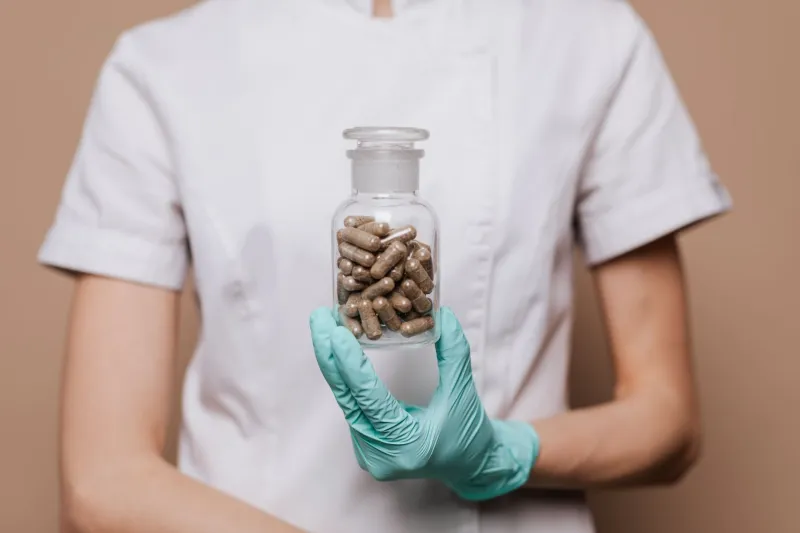
Shilajit occupies an unusual place in the UK supplement market. It is presented as an ancient mountain resin, a mineral-rich tonic and a source of fulvic acid, yet it arrives in capsules, powders and unsealed resins through marketplaces where quality assurance can be difficult to verify. For the health-conscious buyer, the appeal is understandable: it fits the pattern of traditional ingredients being reconsidered through a modern evidence lens. The safety question, however, must come before the wellness narrative. Unlike a simple vitamin, shilajit is a variable natural substance, and its composition depends heavily on where it was collected, how it was purified and whether the finished batch was tested.
What shilajit is, and what it is not
Shilajit is a rock exudate found in several mountain regions. It is not a single standardized molecule. Its composition includes humic substances, fulvic acid and a range of minerals, but the proportions vary by source and processing method. This variability matters because marketing often reduces shilajit to one number, usually a fulvic acid percentage, as though that figure settles the question of quality. It does not. Fulvic acid assays can differ between laboratories, and a high stated percentage says little about contamination, authenticity or the presence of fillers.
In UK law, shilajit sold as a food supplement must be safe for consumption, and contaminants are subject to regulatory limits. That does not mean every product on sale has been independently verified before it reaches the consumer. The UK does not operate a pre-market approval system for ordinary food supplements in the way it does for medicines, so responsibility rests heavily on the manufacturer and importer. A polished website is not a substitute for batch documentation.
The heavy-metal question UK buyers should ask
Because shilajit is derived from rock and soil environments, it can concentrate elements that are undesirable in a daily supplement. Lead, arsenic, mercury and cadmium are the contaminants most often discussed. Poor purification, careless handling or deliberate adulteration can raise these further. Adulteration is not only a theoretical concern: resin products have been mixed with cheaper materials, and powders may contain fillers that are difficult to detect without laboratory analysis.
The relevant question is not whether a brand says its shilajit is pure. It is whether the specific batch can be linked to a certificate of analysis from a laboratory with appropriate accreditation, such as ISO 17025. The certificate should name the batch, the date of testing, the contaminants tested and the results. A generic laboratory report reproduced across every product is weaker evidence than a batch-specific document. Buyers should also be wary of claims that testing has been done without any accessible detail.
Reading a shilajit label in 2026
A useful label review begins with identification. The product should state what the ingredient is, how much is included per serving and who is responsible for placing it on the UK market. Terms such as purified, activated or gold are not standardized guarantees. They may reflect traditional language or marketing positioning, but they do not tell the buyer what purification actually involved.
Fulvic acid claims deserve particular scrutiny. If a percentage is stated, the label or accompanying documentation should explain the assay method. If no method is given, the figure should be treated as promotional rather than analytical. The same applies to mineral content claims. Broad assertions about trace minerals are common, but they are less useful than a clear specification and batch-level testing.
For resin products, the audit is harder. Resin is variable, dosage is imprecise and the risk of adulteration or contamination is less easy to control than in a manufactured capsule. That does not make every resin unsafe, but it raises the standard of evidence required. A resin sold loose, without batch identification, without a UK responsible address and without a contaminant certificate should be avoided. The same caution applies to products sold chiefly through social media, with therapeutic claims and no transparent supply chain.
A five-step sourcing framework
First, identify the seller. Look for a UK address or importer and a clear statement of regulatory responsibility. Second, request the batch certificate of analysis before purchase if it is not published. Third, check that the certificate covers heavy metals and that the results are compared with meaningful limits. Fourth, verify how any fulvic acid figure was obtained. Fifth, start with a modest serving and monitor tolerability rather than assuming more is better.
This framework is deliberately conservative. It treats shilajit as a product to be audited rather than a folk remedy to be trusted on reputation alone. That stance is consistent with a modern evidence-aware approach: respect for traditional use, but insistence on transparent sourcing and honest labelling.
Who should pause before buying
Shilajit is not appropriate for everyone. People who are pregnant or breastfeeding, those with kidney or liver conditions, and anyone taking prescribed medicines should seek advice from a pharmacist or GP before use. This is especially important where products are not standardized and mineral content is uncertain. Shilajit should not be used to replace medical treatment, and products making disease claims should be treated with scepticism.
A measured verdict for 2026
The case for shilajit is not settled by tradition alone, nor by the enthusiasm of its online sellers. It may have a place in a carefully constructed supplement routine, but only when the product can be verified. In practice, the first question for a UK buyer is not whether shilajit sounds ancient or powerful. It is whether this batch can be traced, tested and explained. If that question cannot be answered, the wiser choice is to leave the resin on the shelf.