The Quiet Hour: Ashwagandha, Stress and Sleep for UK Professionals in 2026
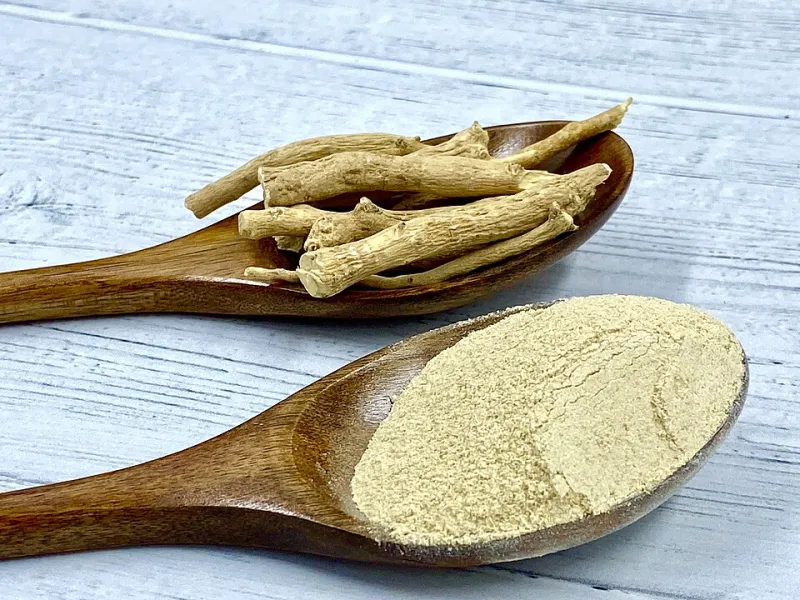
Photo: formulatehealth, CC BY 2.0, via Wikimedia Commons
After a long day of meetings, screens and commutes, the appeal of a single capsule for calm is understandable. Ashwagandha, or Withania somnifera, has a long history in Ayurvedic practice and is now one of the most visible adaptogens in the UK supplement market. For busy professionals, the promise is attractive: less stress, better sleep, more resilience. The evidence-aware position is more measured. Ashwagandha may help some people, but it is not a treatment for burnout, and it should not be used to compensate for a routine that is genuinely unsustainable.
What current evidence does and does not support
Recent systematic reviews and randomised trials suggest that standardised ashwagandha extracts may produce small to moderate improvements in perceived stress, anxiety and sleep quality in some groups. Some studies report reductions in cortisol, although cortisol is a blunt marker and not a reliable stand-in for clinical improvement. The overall picture is promising but not definitive. Trials are often small, short in duration and heterogeneous in the extracts and doses used. Blinding can be imperfect, and some research has been industry-funded.
What the evidence does not support is the claim that ashwagandha treats clinical anxiety, insomnia, depression or burnout. Burnout is not a single condition that can be resolved by a herb; it reflects prolonged workplace stress, poor sleep, recovery deficits and sometimes underlying health problems. A supplement may be a supporting element, but it is not a substitute for sleep, workload change, psychological therapy, exercise or medical care. Anyone with persistent low mood, severe sleep disturbance or symptoms that are affecting daily life should speak to a GP.
How to read a UK supplement label
In the UK, ashwagandha is generally sold as a food supplement rather than a licensed medicine. That makes label literacy important. Look for the species name, Withania somnifera, and for the part used. Root-only products differ from root-and-leaf products, and the extract ratio or withanolide content should be stated clearly. A product that lists a proprietary blend without disclosing the amount of ashwagandha per serving gives the buyer little to work with. Check the dose per capsule or teaspoon, the batch number and whether the manufacturer works to good manufacturing practice. Independent third-party testing is a useful signal, though not a guarantee of clinical benefit.
Be sceptical of claims that a product treats burnout, balances hormones or cures insomnia. Food supplements may not make medicinal claims. Combinations with stimulants, sedatives or other herbal ingredients deserve particular caution, because the overall effect may not be attributable to ashwagandha alone. Buy from an established UK retailer, keep the packaging, and stop using the product if you notice adverse effects.
Who should pause before trying ashwagandha
Ashwagandha is not appropriate for everyone. It should be avoided during pregnancy and breastfeeding unless a clinician advises otherwise, and it is not recommended for children. People with liver disease should be cautious; rare cases of liver injury have been reported with ashwagandha-containing products. Thyroid disorders also warrant care, because ashwagandha may affect thyroid hormone levels. Those taking thyroid medication, sedatives, immunosuppressants, diabetes medicines or blood-pressure medicines should seek advice from a pharmacist or GP before use. The same applies to anyone preparing for surgery or taking multiple prescribed medicines.
Stop and seek medical advice if you develop jaundice, dark urine, unusual fatigue, nausea or other signs of liver problems. Do not use ashwagandha to mask the symptoms of an unhealthy work pattern. If sleep is the main concern, caffeine timing, screen use, alcohol and an irregular wake time will usually matter more than any capsule.
An evening ritual for real life
A responsible evening ritual begins with subtraction before addition. Reduce late caffeine, dim overhead lights, put screens away earlier and keep a consistent wake time. A short walk, gentle yoga or slow breathing can help the nervous system shift out of work mode. A warm shower and a few lines of journaling are simple, evidence-aligned ways to mark the end of the day.
If ashwagandha is appropriate for you, treat it as part of that routine rather than a rescue measure. Follow the label dose and start low. Some people prefer to take it in the evening; others find it better earlier in the day. The evidence does not establish an optimal timing. If it seems to disturb sleep, move it earlier or stop. A sensible review point is around six to eight weeks: assess whether sleep, stress and daytime function have genuinely changed, and discontinue if there is no clear benefit or if adverse effects appear.
The Vedic Nutraceuticals perspective is one of restraint as well as ritual. Ancient wisdom values daily practice, but it does not require overstatement. Modern evidence values transparency, appropriate caution and realistic expectations. For UK professionals, the quiet hour before bed is not a wellness performance. It is a practical boundary between work and rest, supported at most by a carefully chosen supplement and at least by the habits that make sleep possible.