The Commuter's Tonic, Interrogated: Guduchi, Immune Language and UK Label Discipline for 2026
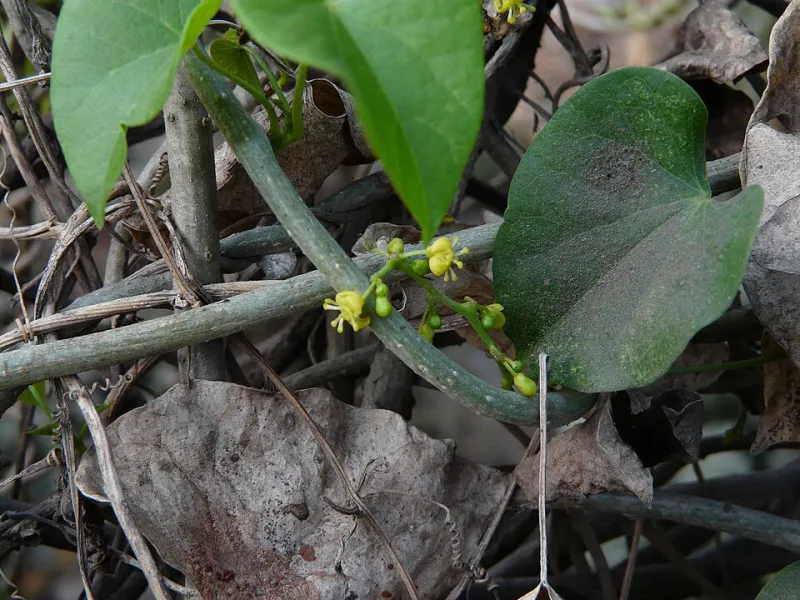
Photo: Dinesh Valke from Thane, India, CC BY-SA 2.0, via Wikimedia Commons
Guduchi, or Tinospora cordifolia, has a long place in Ayurvedic practice, where it is often described as a rejuvenating herb and used in seasonal routines. In the UK supplement market, it tends to appear in a narrower guise: as an immune tonic, usually positioned for commuters, office workers and anyone hoping to shorten the winter sniffle season. The appeal is understandable. The evidence is more modest than the shelf talk suggests.
This is not a reason to dismiss guduchi outright. It is a reason to read the label carefully, understand what UK rules allow a seller to say, and treat the herb as one small part of a broader routine rather than a shield against infection.
What Guduchi Is, and What It Is Not
Tinospora cordifolia is a climbing shrub used in several traditional systems across South Asia. In Ayurvedic literature it is associated with balance, resilience and seasonal wellbeing. Modern supplement marketing often translates that heritage into the language of adaptogens and immune support.
That translation is where caution is needed. Guduchi is not an essential nutrient. It has no UK reference nutrient intake, no established deficiency state and no authorised health claim for immune function. The research base includes laboratory work, animal studies and small human trials, but the human evidence remains heterogeneous. Some trials have looked at immune markers, recurrent respiratory symptoms or general wellbeing, yet sample sizes are often small, formulations vary and the quality of reporting is uneven.
A fair summary is that guduchi may have immunomodulatory activity worth studying. It is not proven to prevent colds, shorten every infection or replace vaccination, sleep and a varied diet.
The Immunity Claim Under UK Rules
In the UK, food supplements are not medicines. Sellers may not claim that a product treats, prevents or cures disease. Health claims are also constrained by the GB nutrition and health claims rules, which permit only authorised wording for specified nutrients. 'Supports normal immune function' is authorised for certain vitamins and minerals, such as vitamin C, vitamin D, zinc and selenium, when the product meets the relevant conditions. Guduchi does not appear on that list.
This does not stop brands from using softer language. 'Immune support', 'seasonal resilience' or 'traditional wellness' may appear on packaging, but such phrases can still fall foul of Advertising Standards Authority guidance if they imply a medicinal effect or create an misleading impression. The MHRA also watches the borderline between food supplements and medicines. A responsible seller should avoid disease language and should not present guduchi as a substitute for medical care.
For the reader, the practical test is simple. If a label or website promises fewer colds, faster recovery or protection from infection, treat that as a warning sign rather than a mark of quality.
Interactions and Cautions Worth Checking
Guduchi is generally sold as a food supplement, but 'natural' does not mean interaction-free. Because it is described as an immunomodulator, people with autoimmune conditions or those taking immunosuppressant medicines should seek advice before using it. There are also theoretical concerns around blood-sugar-lowering medication, and the evidence on liver effects is not strong enough to ignore a personal history of liver disease.
If you take anticoagulants, have thyroid medication, are pregnant or breastfeeding, or are due to have surgery, speak to a GP or pharmacist first. This is especially important because supplement labels rarely list interactions, and many guduchi products are sold in blends with other herbs.
Capsule, Powder or Tea?
Capsules are convenient and usually provide a clearer daily dose. Powders can be cheaper but are harder to measure and may taste bitter. Teas are pleasant as a ritual but typically deliver less reliable amounts of the herb, and steeping does not guarantee the same profile as a standardised extract.
Whichever format you choose, look for the species name in full, the plant part used, and a meaningful quantity per serving. Avoid proprietary blends that list guduchi without disclosing how much is present. If the product combines guduchi with several other herbs, you cannot judge which ingredient is doing what or whether the dose is sensible.
A Sceptical Buying Checklist for 2026
Before adding guduchi to a morning routine, check the following:
- Species and part: The label should say Tinospora cordifolia and identify whether stem, root or extract is used. Tinospora crispa is a different species and should not be accepted as a silent substitute.
- Dose per serving: A number should be visible, not buried in a blend. Be wary of vague 'herbal extract' listings.
- Standardisation: If an extract is standardised, the marker compound should be stated. If it is a simple powder, that should be clear.
- UK responsible person: A UK address for the supplement business is a basic accountability marker.
- Batch and expiry: A batch code and clear best-before date support traceability.
- Third-party testing: A certificate of analysis for identity, microbial safety and heavy metals is reassuring, though not every retailer publishes one.
- Claims language: Reject disease claims, 'detox' language and promises of guaranteed immune protection.
- Personal risk: Check interactions and contraindications before buying, not after the first dose.
A Sensible Morning Ritual
If you decide to try guduchi, keep the experiment modest. A four-to-six-week trial, taken consistently and alongside your normal breakfast, is easier to assess than an open-ended habit. Note sleep, energy and any digestive upset. Do not interpret a quiet fortnight as proof of immune protection, and do not use the herb to push through illness or skip rest.
For a commuter, the most defensible ritual is unglamorous: water, breakfast, daylight and a sensible dose of any supplement you have checked. Guduchi may earn a place in that routine, but it should not be the centrepiece. In 2026, label honesty and realistic expectations are more valuable than another bottle promising a fortress.
This article is general information, not medical advice. Speak to a qualified healthcare professional before starting a new supplement, especially if you take prescription medicines or manage a long-term condition.