The Green Breakfast Audit: Moringa Powder, Plant Iron and the Oxalate Caveat for UK Households in 2026
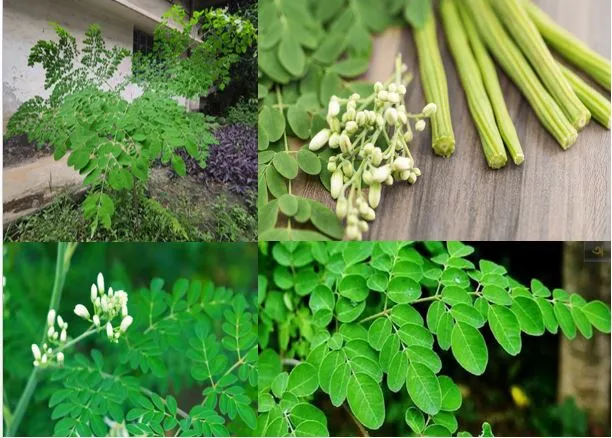
Photo: Abgttc, CC BY-SA 4.0, via Wikimedia Commons
Walk into a UK health food shop in 2026 and you will find moringa powder in several familiar guises: a green addition to smoothies, a stirred-in boost for porridge, a capsule for travel. The marketing often leads with iron. For women in particular, that claim has obvious pull. Yet the distance between a nutrient-dense leaf and a reliable iron strategy is wider than the front of the pouch suggests.
Moringa oleifera, known in Ayurvedic tradition as shigru, has a long history as a food and household remedy in South Asia. That heritage is worth respecting. It is not, however, a substitute for reading the label as a UK consumer in 2026, when health claims are regulated and serving sizes are small.
The claim on the front of the pouch
Dried moringa leaf powder can be genuinely rich in iron by weight. Figures vary with leaf age, drying method, soil and batch, but values in the region of 20 to 30 mg per 100 g are commonly reported. That sounds impressive until the serving size is considered. A typical 5 g spoon therefore supplies roughly 1 to 1.5 mg of iron, before absorption is taken into account.
For context, UK reference nutrient intakes are around 8.7 mg daily for men and for women after the menopause, and 14.8 mg for women of reproductive age. A spoonful is therefore a contribution, not a solution. This matters because UK nutrition and health claims rules allow statements such as iron contributing to normal formation of red blood cells or reduction of tiredness and fatigue only when the product meets the relevant conditions. A figure per 100 g can look strong while the per-serving figure remains modest.
The practical question is not whether moringa contains iron. It does. The question is whether the product in your kitchen supplies a meaningful amount in the form you actually use.
What the leaf does well
A fair audit should not reduce moringa to a failed iron supplement. The leaf also provides protein, fibre, carotenoids, vitamin C, calcium, potassium and polyphenols. In a UK diet that can be short of green vegetables, a palatable green powder has a place. It can add colour, flavour and a small amount of nutrients to breakfast.
But density is not the same as delivery. Plant iron is non-haem iron, and its absorption is influenced by the rest of the meal. Moringa also contains phytates and polyphenols, which can reduce mineral availability. These are normal plant compounds, not contaminants. They simply mean that the leaf should be judged in context rather than in isolation.
The oxalate catch
Moringa leaves contain oxalates, and this is the point at which the breakfast spoon deserves a pause. Oxalate is a mineral-binding compound found in many plant foods. For most people, a small daily serving is unlikely to be a concern. For anyone with a history of calcium oxalate kidney stones, however, daily oxalate intake is worth discussing with a GP or dietitian before a powder becomes a habit.
The oxalate issue is also a reminder that processing matters. Fresh moringa leaves may be blanched or cooked in traditional preparations, which can reduce soluble oxalate to varying degrees. A dried powder is not a blanched product unless the manufacturer says so. If a brand makes no statement about oxalate testing, that is not proof of a problem, but it is useful information about how closely the product has been characterised.
Hydration belongs in the same conversation. A green powder is not a licence to skip water, especially in a UK climate where central heating and desk work can quietly reduce fluid intake.
Iron absorption is a scheduling problem
If moringa is being used with iron in mind, timing is part of the intervention. Tea and coffee contain polyphenols that can inhibit non-haem iron absorption. A breakfast of moringa porridge, a milky drink and a strong cup of tea is not an iron strategy, however nutritious it may be in other respects.
Vitamin C is the practical ally. A smoothie with orange, kiwi or berries, or a spoonful stirred into orange juice, gives plant iron a better chance. Large amounts of calcium at the same meal can work in the opposite direction. This does not mean dairy is forbidden; it means the iron claim should not be attached to a calcium-heavy meal and then expected to perform.
A reasonable rule for 2026 is to leave at least an hour between a moringa serving and tea or coffee when iron is the goal. That is not a dramatic ritual. It is simply label discipline extended to the breakfast table.
A practical UK morning protocol
Start with 2 to 3 g daily for the first week, then move to 3 to 5 g if tolerated and if the label supports that dose. Begin lower if digestion is sensitive. Moringa is a fibre-containing leaf powder, and more is not automatically better.
Mix the powder into a cold or lukewarm vehicle rather than boiling liquid, which is kinder to vitamin C and more pleasant to drink. A smoothie with citrus fruit, a stirred-through yoghurt alternative low in added calcium, or a simple glass of orange juice are all workable. If kidney stones are part of your medical history, seek advice before making it daily.
Choose a product with a batch-specific certificate of analysis covering heavy metals, microbiology and pesticides. Ask whether the iron figure is per 100 g or per serving. Ask, too, whether the brand can say anything about oxalate testing. Few will report it, but the reply is informative.
Finally, keep the claim in proportion. If you have diagnosed iron deficiency, a green powder is not a treatment. It does not replace prescribed iron, a GP review or a diet that addresses the underlying cause. Moringa can be a pleasant morning ritual with a modest nutritional contribution. In 2026, that is the claim it can defend.