Methi at Midlife: Fenugreek, Borderline HbA1c and the Twelve-Month Retest
The conversation usually happens at the end of an appointment, almost as an afterthought. A blood test taken for something else comes back with an HbA1c between 42 and 47 mmol/mol, the phrase 'non-diabetic hyperglycaemia' is used, the words 'borderline diabetes' are offered as a translation, and a referral to the NHS Diabetes Prevention Programme follows. For many women in their mid-forties, arriving at that moment alongside perimenopausal weight redistribution, disrupted sleep and a schedule that leaves little room for cooking from scratch, the question that forms on the way home is a reasonable one: is there anything in the kitchen that helps?
Fenugreek, methi, is a defensible part of the answer, provided it is understood as a small supporting act rather than the play.
Why methi sits differently from the supplement aisle
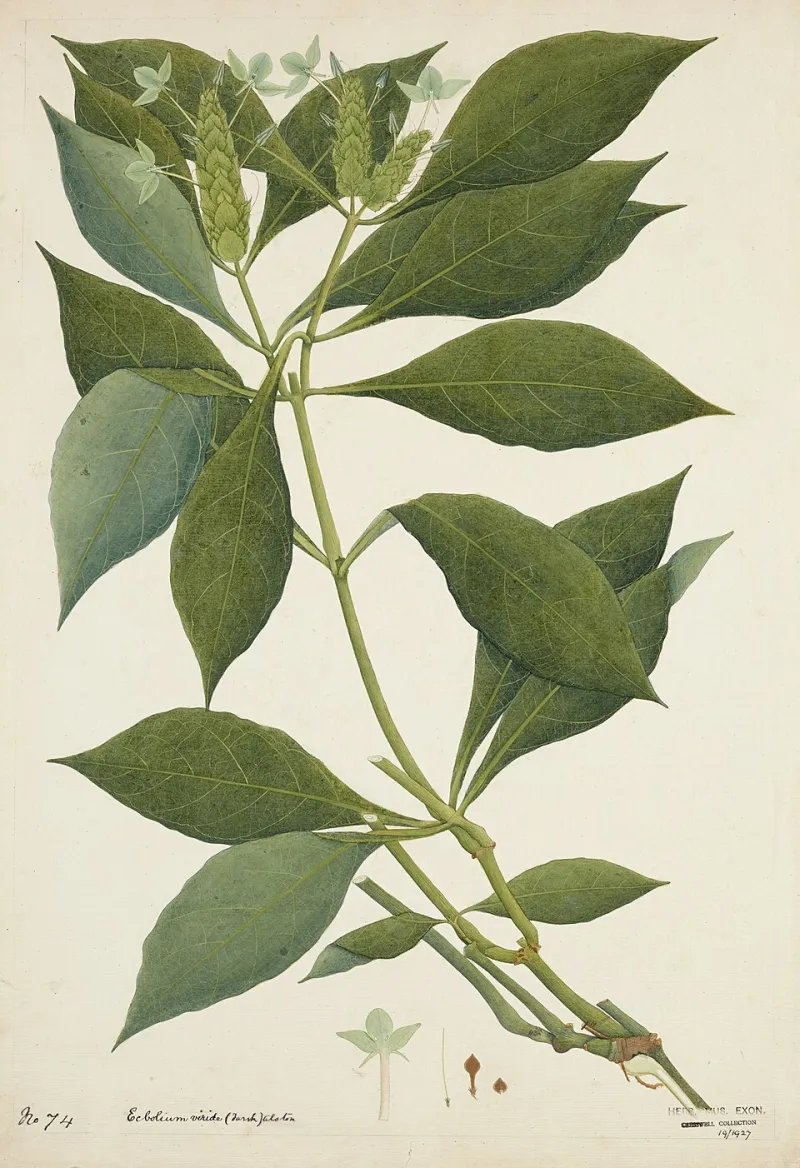
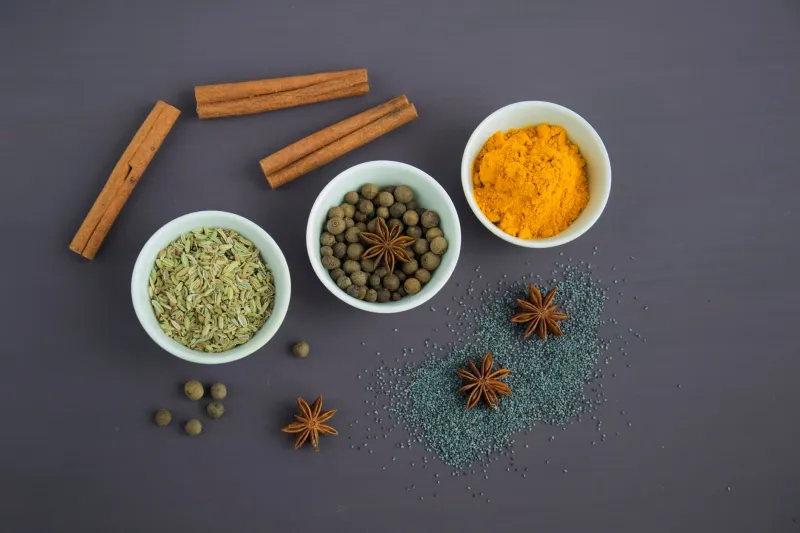
Fenugreek is a legume, not an exotic novelty. Its seeds are the bitter, maple-scented component of many Indian households' spice tins, its leaves appear in dal and flatbreads, and it has been eaten in quantity for centuries. That familiarity matters for two reasons. First, it means the ingredient has a food history rather than only a marketing one. Second, it means it can be introduced into an existing diet without the cost and commitment of a capsule regimen.
The active constituents most discussed in the literature are galactomannan, a soluble fibre that forms a gel in the gut, and 4-hydroxyisoleucine, an amino acid that has been studied for its effect on insulin secretion. Neither is a drug. Both plausibly influence how quickly glucose appears in the blood after a meal, which is precisely the variable the borderline conversation is about.
What the trials actually measured
The honest summary is that the evidence is promising, small and uneven. Much of it comes from trials conducted in India, often with modest sample sizes and short durations, comparing fenugreek seed powder or soaked seeds against placebo or usual care in people with type 2 diabetes. The most consistent finding is a reduction in post-meal glucose when fenugreek is taken with or shortly before a meal, together with improvements in measures of satiety. Effects on fasting glucose appear in some studies and not others. Effects on HbA1c, the number that actually prompted the appointment, are the least well established and the most variable.
This is not a reason for dismissal. A modest, reproducible reduction in post-meal excursions is a meaningful physiological effect, and the satiety signal is relevant to anyone trying to lose the five to seven per cent of body weight that the prevention programmes target. But the literature does not support the claim that fenugreek lowers HbA1c reliably, and no one should treat it as a substitute for the retest.
The form question: seed, powder, capsule, water
Trial doses cluster in the range of five to ten grams of seed or powder a day, which is roughly one to two teaspoons. That sounds modest until one tries to eat it.
Soaked seeds are the traditional preparation: a teaspoon left in water overnight, then swallowed with the water in the morning. The gel-forming fibre softens, the bitterness diminishes somewhat, and the dose is easy to control. It is also the least pleasant option for many people, and it should be taken with a full glass of water.
Powder is the most flexible. Stirred into dough, soups or yoghurt, it disappears into the meal rather than sitting alongside it, which is closer to how it is actually eaten in the cuisines that developed the ingredient.
Capsules offer convenience and standardisation, but the market is uneven. Some products are ground seed; others are concentrated extracts with no clear equivalence to the trial material; a few contain very little of either. A label that specifies the part of the plant, the extraction ratio and the quantity per capsule is the minimum standard.
Infused water, the version most popular on social media, delivers a variable and generally small dose, and its bitterness is pronounced. It is a reasonable habit but a weak one on which to build expectations.
Fitting methi into a British kitchen
A dry-fried teaspoon of seeds, crushed roughly, goes into a lentil soup at the end of cooking and improves it. The same quantity stirred into a cheese sauce or a root vegetable stew adds a savoury, faintly maple note that most people cannot identify. Half a teaspoon of powder whisked into porridge, or into a plain yoghurt with cinnamon, is a workable breakfast habit. Toasting the seeds before use softens the bitterness considerably, and soaking overnight and discarding the water removes more of it.
The practical point is that fenugreek does its most defensible work when it is part of a meal containing fibre, protein and some fat, because that is the context in which the post-meal glucose curve is flattened anyway. Taken alone on an empty stomach it is more likely to cause bloating than benefit.
Interactions worth a pharmacist's five minutes
Fenugreek is not inert, and anyone taking regular medication should mention it at the pharmacy counter rather than decide alone.
Three points recur. First, fenugreek may add to the glucose-lowering effect of insulin, sulfonylureas such as gliclazide, and other diabetes medication, which raises the possibility of hypoglycaemia; anyone in that position needs to monitor more closely rather than less. Second, fenugreek contains coumarin-type compounds and there are case reports of an interaction with warfarin, so anyone anticoagulated should seek advice before starting. Third, medicinal doses are traditionally avoided in pregnancy because of uterine-stimulating effects, a point worth stating plainly for women in their forties who may yet conceive.
Less commonly, fenugreek can cause gastrointestinal upset at higher doses and has been associated with allergic reactions in people with peanut or chickpea allergy, since all are legumes.
The retest is the real intervention
The HbA1c result that started all this will be repeated, usually at twelve months. That interval is where the meaningful work happens, and it is disproportionately influenced by things fenugreek cannot touch: a modest and sustained weight reduction, resistance training twice a week, sleep that is not chronically truncated, and a diet in which fibre arrives from several sources rather than one.
Fenugreek deserves a place in that picture, and it earns it precisely because it is unglamorous. One to two teaspoons a day, taken with food, integrated into meals that are already being cooked, is a low-cost intervention with a plausible mechanism, a modest evidence base and a low risk profile for most people. It is not a treatment. It is the kind of small, repeatable adjustment that makes a twelve-month retest feel less like a verdict and more like a measurement.