A Ten-Minute Swill, Not a Substitute: Sesame Oil Pulling and UK Oral Care in 2026
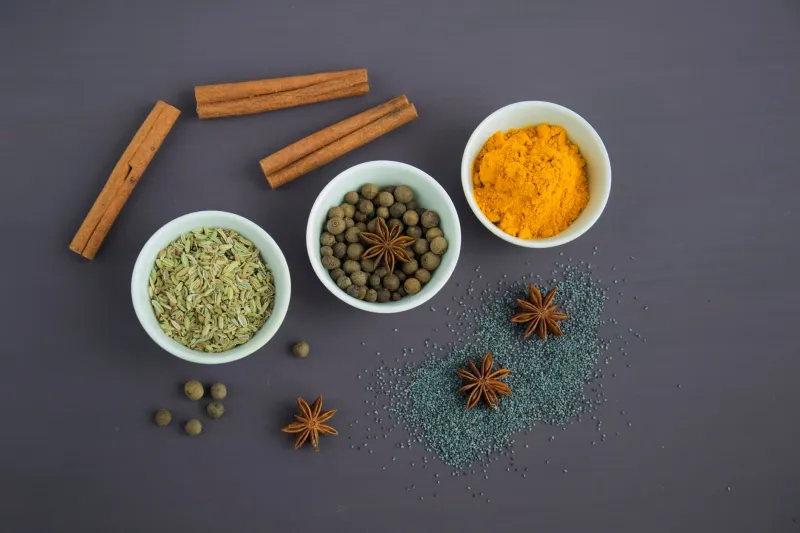
Photo: Fumikas Sagisavas, CC0, via Wikimedia Commons
Oil pulling has moved from Ayurvedic instruction into the British bathroom, often with more enthusiasm than precision. The practice is simple: take a small quantity of edible oil, swish it around the mouth for several minutes, spit it out, and continue with ordinary oral hygiene. Sesame oil is the traditional choice, and it remains the most practical starting point for UK readers who want to examine the ritual without turning it into a substitute for dental care.
The Ritual and the Claim
In classical Ayurvedic practice, oil pulling is a daily preparatory measure rather than a treatment for established disease. Modern wellness writing has sometimes inflated that modest role into claims about detoxification, systemic inflammation and chronic illness. Those claims should be set aside. The mouth is not a drainage channel for bodily toxins, and no credible body of evidence shows that swishing oil removes them.
The more defensible question is narrower: can oil pulling reduce dental plaque, gingivitis or mouth odour when used alongside normal oral care? That question has been studied, though not always well. The answer is best described as tentative.
Reading the Evidence Without Overreach
Small randomised trials have compared oil pulling with water, mouthwash or no additional measure. Some report short-term reductions in plaque scores, gingival inflammation or salivary bacterial counts. A few find improvements in bad breath. Systematic reviews, however, consistently note that the studies are few, short, heterogeneous and often at risk of bias. Blinding is difficult when the intervention is a ten-minute swish, and many trials use small samples.
The reasonable conclusion for 2026 is that oil pulling may offer a modest adjunctive benefit for some people, particularly in terms of subjective mouth freshness, but the evidence is not strong enough to recommend it as a replacement for fluoride toothpaste, interdental cleaning or professional dental care. It should not be presented as a treatment for caries, periodontal disease or oral infection.
Sesame or Coconut?
Sesame oil is the traditional choice and has practical advantages. It is liquid at typical UK room temperature, has a distinct nutty taste and is widely available as a food-grade cold-pressed oil. It is also a major allergen in the UK, so anyone with a known sesame allergy should avoid it entirely. Check labels carefully if you are unsure.
Coconut oil is popular because of its lauric acid content, but laboratory antimicrobial activity does not automatically translate into clinical benefit in the mouth. Coconut oil also solidifies below roughly 24°C, which means it may need warming in a British kitchen for much of the year. Some users find the taste milder; others find it cloying. There is no convincing evidence that one oil is clearly superior. Choose a plain, food-grade oil with no added flavourings or essential oils, and use it consistently rather than switching frequently.
A Ten-Minute Routine That Fits the Day
A practical routine is simple. Measure approximately one tablespoon of sesame oil. Swish it gently around the mouth, moving it between the teeth without vigorous gargling. Ten minutes is the usual duration; longer is not better. If the jaw aches, stop. Do not swallow the oil. Spit it into a tissue or bin rather than the sink, since repeated oil disposal can clog drains. Rinse the mouth with water afterwards.
The most convenient slot for many people is during a morning shower or while preparing breakfast, because the ten minutes pass without requiring separate attention. Perform the swish before brushing with a fluoride toothpaste, then continue with your usual interdental cleaning. Children should not use oil pulling because of the risk of swallowing or choking. Anyone with swallowing difficulties should not attempt it.
Around the NHS Checkup
Oil pulling sits alongside NHS dental advice, not above it. UK guidance remains clear: brush at least twice daily with fluoride toothpaste, clean between the teeth regularly, limit sugary foods and drinks, and attend dental checkups as advised. If you use oil pulling, tell your dentist or hygienist. They are unlikely to object to a low-risk adjunct, but they will want to know about it, particularly if you have bleeding gums, sensitivity or a history of periodontal treatment.
Persistent bleeding, swelling, pain or a bad taste should prompt a dental appointment rather than an increase in oil pulling. The ritual cannot diagnose or treat decay, abscesses or gum disease. NHS dental charges and appointment availability vary across the UK, so check local arrangements rather than assuming a checkup is free.
A Measured Verdict
Sesame oil pulling is a low-cost, low-risk daily ritual with a plausible but modest evidence base. It is not a detox, not a cure and not a replacement for proven oral care. Used sensibly, alongside brushing, interdental cleaning and regular dental review, it can be a calm ten-minute addition to a morning routine. That is a more honest framing than either dismissal or hype, and it fits the Vedic Nutraceuticals approach: ancient wisdom, modern evidence, daily ritual.