The Winter Jar, Audited: Chyawanprash, Sugar Load and a UK Household Protocol
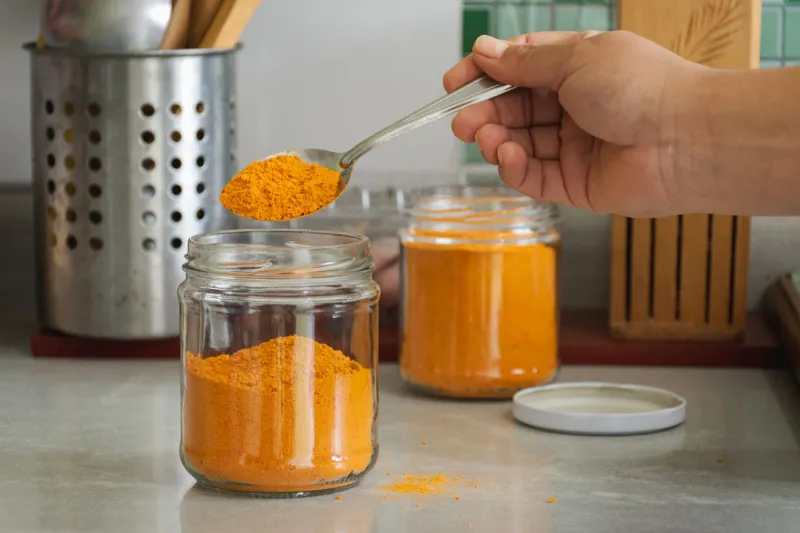
A familiar jar, rarely examined closely
Chyawanprash occupies a comfortable place on many South Asian kitchen shelves and is now a familiar sight in UK specialist groceries and online supplement catalogues. It is presented as a Vedic-inspired winter staple: a dark, spiced herbal jam taken by the spoonful to support resilience through the colder months. That cultural familiarity is genuine, but it can obscure a practical question. What is actually in the jar, and what does a typical serving deliver?
As of 2026, the UK market includes imported traditional preparations, modern branded formulations and products positioned as clean-label alternatives. They are not interchangeable. Chyawanprash has no single legal standard of identity, so recipes vary widely in their base, sweetener, fat content and herbal strength. A measured approach is therefore more useful than a general recommendation to take a spoonful daily.
What the paste is, before the marketing
Traditional chyawanprash is built around amla, or Indian gooseberry, cooked with ghee, honey or sugar, and a blend of warming spices and herbs. Commercial versions may add fruit juice concentrates, date syrup, jaggery, glycerine or additional vitamins. Some list dozens of botanicals; others list only a handful. The ingredient order is by weight, so it is worth checking whether amla appears near the top or is buried beneath sweeteners and bulking agents.
The product is best understood as a food or food supplement, not a medicine. That distinction matters in the UK, where health claims on food supplements are restricted to authorised wording. A label may legitimately state that vitamin C contributes to normal immune function, but it should not imply that the product prevents colds, treats infection or replaces a balanced diet. The phrase 'traditional' describes heritage, not proven clinical effect.
Reading the UK label without being flattered
UK nutrition labelling usually gives sugar per 100g and sometimes per portion. For a jam-like product, sugar per 100g can be high even when the portion is small. A product containing 55g of sugar per 100g delivers about 2.75g in a level 5g teaspoon. At 65g per 100g, the same spoon carries roughly 3.25g. That is not a large amount in isolation, but it is not negligible either, particularly for children or for anyone counting free sugars.
Free sugars include honey, syrups and fruit juice concentrates, not just white sugar. A jar labelled 'no refined sugar' may still contain substantial free sugars from date syrup or concentrate. 'No added sugar' can be similarly misleading if the sweetness comes from fruit. Ghee also contributes energy, so a heaped spoon is not a low-calorie habit. The most useful labels give a clear serving size, a full nutrition panel and a named herbal list rather than a vague proprietary blend.
Look for the vitamin C content per serving, expressed as a percentage of the nutrient reference value. Amla is a source of vitamin C, but storage, cooking and formulation affect how much remains. A product that provides a small fraction of the UK reference intake should not be treated as a meaningful immune-support strategy. If vitamin C is the intended benefit, a plain supplement with a declared dose is easier to assess.
The sugar arithmetic for a UK household
UK guidance advises adults to keep free sugars below 30g a day. For children aged 4 to 6 the figure is 19g; for 7 to 10 it is 24g; from 11 upwards it is 30g. A 5g spoon of chyawanprash at 60g sugar per 100g provides 3g of free sugars, or one tenth of an adult's daily limit. Two spoons double that. The arithmetic is manageable, but it should be done rather than assumed.
For households using chyawanprash as a winter ritual, a level spoon is more sensible than a heaped dessertspoon. It can be taken from the spoon, stirred into warm water or eaten alongside breakfast. It should not be treated as a reason to relax other sugar-reduction efforts. Pairing it with sweetened yoghurt, honey-sweetened tea or jam on toast simply adds to the total.
Evidence, expectations and the winter context
The evidence base for chyawanprash is limited. Some small studies have examined proprietary herbal formulations for markers of oxidative stress or immune response, but sample sizes are generally small and the products are not standardised. Amla polyphenols and vitamin C are plausible contributors, yet there is no robust UK evidence that chyawanprash prevents seasonal respiratory infections. It should not displace established measures: vitamin D supplementation of 10 micrograms daily during autumn and winter, adequate sleep, physical activity, hand hygiene and a varied diet.
This is not a reason to dismiss the tradition. It is a reason to keep expectations proportionate. A winter tonic can be a pleasurable ritual and a modest source of plant compounds. It is not a shield against infection, and it is not a substitute for medical care when symptoms persist.
Who should pause before buying
People with diabetes should account for the sugar content and discuss the product with a pharmacist or dietitian if they are unsure. Anyone taking medication for blood glucose, anticoagulants, immunosuppressants or thyroid conditions should check for potential herb interactions, as some botanical ingredients may not be suitable. Pregnancy and breastfeeding warrant a conversation with a clinician, particularly where multiple herbs are listed. Children under one year should not be given honey-containing products because of the risk of infant botulism.
Food allergies matter as well. Ghee is a dairy ingredient, and some formulations include nuts, gluten or sesame. Imported products may not always meet UK labelling expectations, so buying from a reputable UK supplier with batch testing and heavy-metal screening is preferable. A product that cannot state its herbal content or nutrition clearly is not a good starting point.
A practical 2026 winter protocol
First, choose one product with a transparent nutrition panel, a clear serving size, named botanicals and a declared vitamin C amount. Second, take a level 5g spoon daily, or at most two, and count the sugar within your normal intake. Third, use it consistently for the winter months rather than sporadically in large amounts, and review at eight to twelve weeks. Fourth, stop if it causes digestive upset or if the sugar load is difficult to accommodate. Fifth, keep it away from infants and check the label before giving it to children. Finally, maintain the basics: vitamin D, sleep, movement, vegetables, fibre and prompt medical advice for persistent symptoms.
The spoon is a small ritual, not a clinical intervention. Treated as such, chyawanprash can sit comfortably within a UK winter routine: culturally grounded, label-audited and honestly limited in what it promises.