Saunf After Supper: A 2026 Audit of the UK Fennel Digestive Ritual
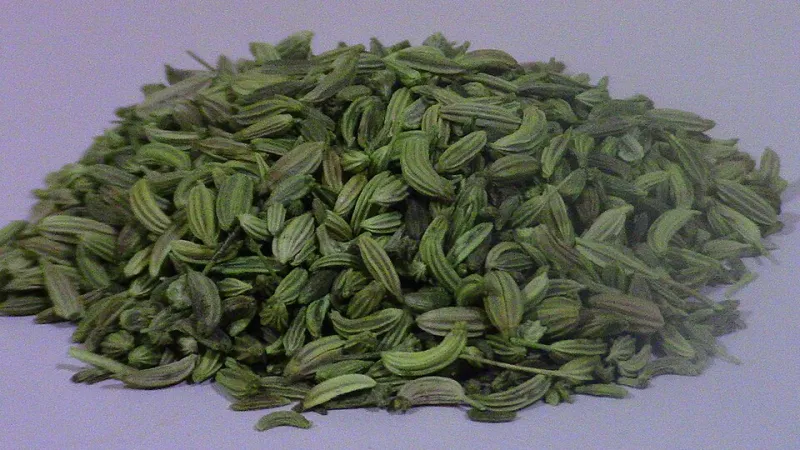
Photo: NanaYawBotar, CC BY-SA 4.0, via Wikimedia Commons
In many UK Indian groceries, the ritual begins at the counter: a small dish of aromatic seeds, offered after a meal or pressed into the hand with the bill. Fennel, or saunf, has a long domestic history in South Asian households, and it has found a comfortable place in British kitchens alongside cardamom, clove and cumin. But the dish is not always what it seems. Sometimes it holds plain fennel seed; sometimes it holds mukhwas, a sweetened mixture in which fennel is only one ingredient among sugar, sesame, coconut and colourings. The distinction matters if a post-meal digestive habit is to remain a digestive habit rather than drift into daily confectionery.
What the Ritual Actually Is
Plain saunf is simply the dried seed of Foeniculum vulgare, usually chewed in small quantities after eating. Its characteristic aroma comes largely from anethole, a volatile compound also found in anise and star anise. In Vedic-inspired household practice, fennel is often grouped with carminative seeds: those traditionally taken to ease fullness, belching or a sense of sluggish digestion. That tradition is worth respecting as tradition. It is not, by itself, proof of a clinical effect.
Mukhwas is a broader category. In UK shops the word may cover roasted fennel seeds with a light sugar coating, brightly coloured seed mixtures, or blends containing coconut, sesame, mint and fennel. Some are sold as mouth fresheners; others sit near the till as impulse items. The label, not the bowl, is the reliable guide.
The Evidence, Held Lightly
Fennel has been studied in several small clinical contexts, including infant colic and menstrual discomfort, often using fennel preparations rather than handfuls of whole seed. Some trials suggest a possible antispasmodic or carminative effect, plausibly linked to anethole and related compounds. The evidence is not strong enough to promise that a teaspoon of seeds after dinner will resolve bloating in a UK office worker, and it does not establish a dose for everyday post-meal comfort.
That uncertainty should not be treated as a reason to ignore persistent symptoms. Occasional fullness is common; recurring bloating, pain, changes in bowel habit or unexplained weight loss deserve a conversation with a GP. A seed ritual is a gentle domestic practice, not a diagnostic tool or a substitute for medical care. Nor should concentrated fennel supplements be assumed equivalent to chewing a small quantity of the whole seed.
Plain Versus Coated: The Sugar Question
The most useful audit is a simple one: turn the packet over. Plain fennel seed typically has one ingredient, perhaps with a note that it was roasted. Sugar-coated mukhwas often lists sugar, glucose syrup, sucrose, jaggery, honey or coconut sugar near the top. Some products add colourings, flavourings, sesame, coconut or nuts. A sweetened seed mixture can be perfectly pleasant, but it should be counted as a sweet, not as a free digestive aid.
UK labelling makes this easier than intuition suggests. Check the sugar figure per 100g, then look for the portion the pack implies. A product can look modest per single seed and still be dense in sugar per 100g. Frequent small sweet chews between meals also matter for dental health, especially if they are sticky or coated. The phrase no added sugar is not a guarantee of low sugar overall; check the total and the ingredient list. Claims such as digestive or carminative should be read with caution, because UK health claims are regulated and traditional use language is not the same as authorised evidence.
A UK Label-Reading Checklist
- Ingredient order: if sugar, glucose syrup or a syrup appears first or second, treat the product as confectionery.
- Fennel content: look for fennel seed rather than fennel flavour, especially in brightly coloured mixtures.
- Sugar per 100g and per stated portion: compare like with like across brands.
- Added sugars under other names: jaggery, honey, coconut sugar, fruit syrup and malt extract all count.
- Allergens: sesame, nuts and coconut are common in mukhwas blends.
- Colourings and flavourings: a shorter list is usually easier to interpret.
- Importer details: a UK address is a basic sign of traceability, though not a guarantee of quality.
- Organic status: useful for some shoppers, but irrelevant to sugar content.
Portion Guidance for a Daily Ritual
For plain fennel, a small teaspoon, roughly two to three grams, after a main meal is a reasonable domestic measure for most adults. Chew slowly and drink water afterwards. There is no need to take it constantly through the day. For sugar-coated mukhwas, a piece or two as an occasional treat is a more honest framing than a handful as a digestive routine. Children should receive smaller amounts and should not be given sweet coated seeds routinely between meals. Anyone who is pregnant, breastfeeding, managing a medical condition or taking regular medication should keep the ritual modest and seek advice if unsure; concentrated extracts are a different matter from culinary amounts.
A Simple Daily Protocol
Keep a small jar of plain fennel seed beside the kettle or in the cupboard where the evening meal is finished. After lunch or dinner, take one small teaspoon, chew it thoroughly and follow with water. If the aim is breath freshness, plain fennel and a glass of water will do more for the habit than a sugar-coated blend. Reserve sweet mukhwas for occasional hospitality, not as the default. Once a week, glance at the packet and ask three questions: Is it plain? Is the portion small? Is it replacing a sweet habit rather than adding one?
The fennel ritual is worth keeping because it is simple, inexpensive and rooted in a sensible pause after eating. Its value lies in attention, not in promises. In 2026, the most Vedic-informed approach may also be the most modern: read the label, choose the plain seed, keep the portion small and let the ritual remain a ritual.